Since ancient times, human beings have felt an innate fascination for the future and the possibility of the unknown. Literature has been a powerful means to explore and speculate about the possible destinies of humanity, and within this wide spectrum of genres and subgenres, dystopia has emerged as a unique window to alternative worlds and gloomy visions of the future. In an increasingly interconnected and technologically advanced world, dystopian literature not only reflects the fears and anxieties of contemporary society, but also raises profound questions about the direction we are taking as a civilization.
In this project, we will immerse ourselves in the fascinating universe of dystopian literature to explore how these works have shaped and reflected society’s perception of the future. From timeless classics such as «1984» by George Orwell and «A Happy World» by Aldous Huxley, to contemporary works such as «The Handmaid’s Tale» by Margaret Atwood, we will examine how these dystopian narratives have left an indelible mark on the collective consciousness, challenging our assumptions and convictions about what tomorrow could be.
As we move forward in the 21st century, we face a series of unprecedented global challenges, from climate change and economic inequality to the erosion of individual freedoms in the digital age. In this tumultuous context, dystopian literature acquires a renewed relevance, offering a critical lens through which we can examine our societies and our collective aspirations. By immersing ourselves in these alternative worlds, we will not only explore the limits of human imagination, but we will also face fundamental questions about the destiny of humanity and the role that each of us plays in the creation of the future.
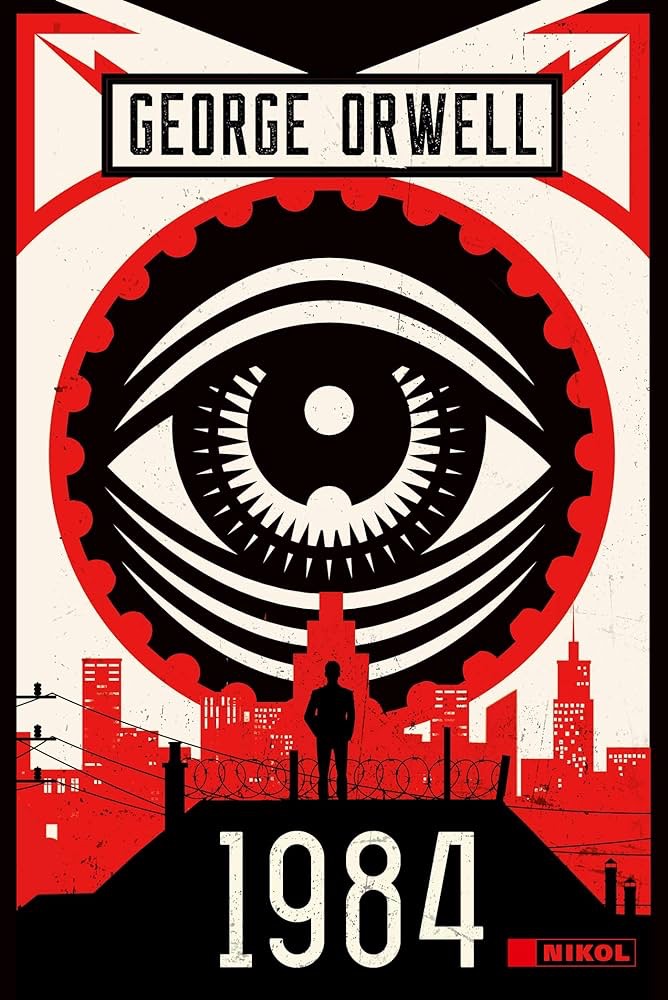

Reflection of Social Fears:
Dystopian literature often acts as a reflection of society’s deepest fears and anxieties. For instance, in George Orwell’s «1984,» the pervasive presence of Big Brother and constant surveillance mirrors concerns about governmental intrusion and the erosion of personal privacy in the contemporary world. Similarly, Aldous Huxley’s «A Happy World» portrays a seemingly ideal society marred by the absence of individuality and genetic manipulation, prompting unsettling questions about the cost of collective contentment. Margaret Atwood’s «The Handmaid’s Tale» presents a dystopian reality where women are reduced to mere vessels for reproduction, echoing the ongoing struggles for reproductive rights and gender equality.
https://www.linkedin.com/pulse/omnipresent-surveillance-state-orwells-1984-longer-john-whitehead
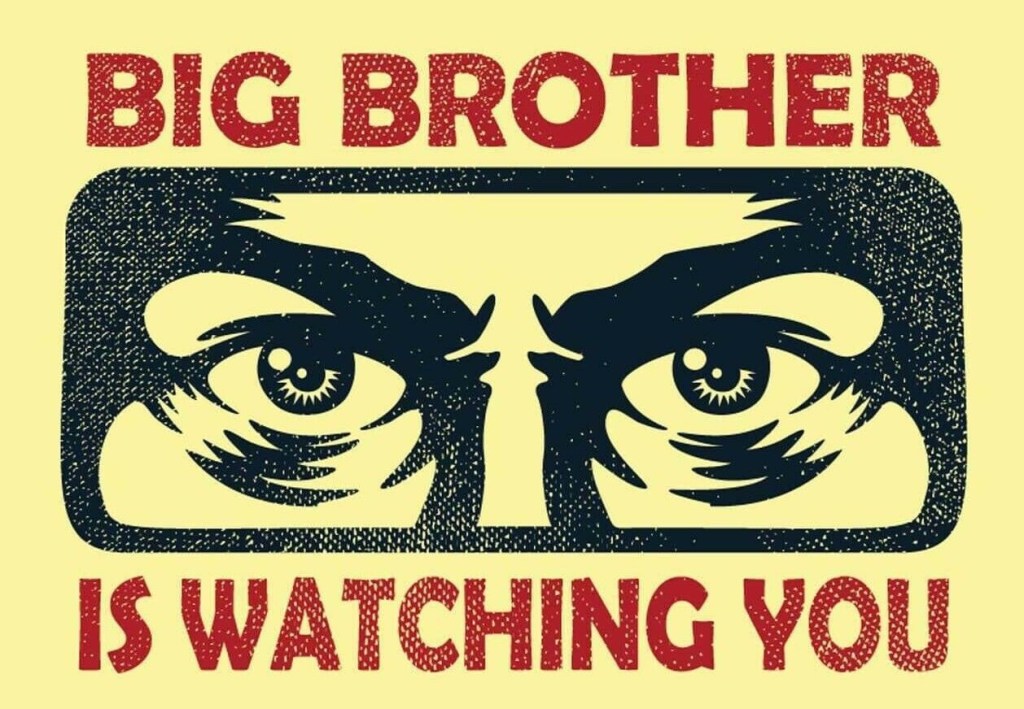
Criticism and warning:
Apart from mirroring societal fears, dystopian literature also functions as a potent critique of prevailing social and political structures. In «1984,» Orwell presents a chilling depiction of a totalitarian regime where independent thinking is suppressed and truth is manipulated by the ruling power. Conversely, «A Happy World» scrutinizes the utilization of technology to manipulate society and cautions against the perils of sacrificing individuality for collective contentment. «The Handmaid’s Tale» denounces the subjugation of women and the manipulation of religion as a tool for social control, emphasizing the dangers of apathy and indifference in the face of injustice.

ProMotion of Dialogue and Activism:
Despite their bleak outlook, dystopian literature possesses the capacity to spark action and instigate change within society. By portraying extreme and dystopian scenarios, these works compel us to contemplate the injustices and obstacles present in our current reality. Through the reflection and critique of social norms found within these narratives, readers are prompted to take tangible steps towards addressing the pressing issues of our time. Indeed, on numerous occasions, these literary works have acted as catalysts for social movements and activism, galvanizing efforts around issues such as human rights, social equity, and environmental conservation. By acknowledging the parallels between fictional dystopias and contemporary societal challenges, individuals are empowered to challenge the existing norms and strive towards a future that is more inclusive, just, and sustainable for all.
Popular Culture and Critical Thinking:
Beyond sparking social movements and activism, dystopian literature has made a lasting impact on popular culture and has fostered critical thinking among its audience. These works extend beyond the realm of literature, finding adaptation into films, television series, and various other media forms, thus reaching broader audiences and sparking discussions on their central themes. Through these adaptations, dystopian literature has shaped popular culture, influencing societal perceptions and discourse on topics such as government surveillance, genetic engineering, and authoritarianism. Moreover, by presenting alternate realities and extreme scenarios, these works prompt readers to interrogate established power dynamics and cultivate critical perspectives on the world around them.
https://storiesbywilliams.com/2012/03/29/dystopia-in-popular-culture/
In summary, dystopian literature transcends mere entertainment or escapism; it emerges as a potent medium that both shapes and mirrors society’s outlook on the future. Throughout this exploration, we’ve delved into iconic works like George Orwell’s «1984,» Aldous Huxley’s «A Happy World,» and Margaret Atwood’s «The Handmaid’s Tale,» revealing how they encapsulate the fears and apprehensions of their respective eras while influencing discourse on humanity’s potential trajectories.
Dystopian literature serves as a reflection of contemporary social fears, presenting grim visions of alternate futures that compel us to contemplate the ramifications of our present choices. These narratives not only mirror the issues and dilemmas of modern society but also offer a trenchant critique of prevailing social and political frameworks. Through their cautionary tales about totalitarianism, pervasive surveillance, and technological manipulation, they implore us to challenge the status quo and advocate for a more equitable and just future for all.
Moreover, we’ve explored how dystopian literature fosters dialogue and activism, motivating readers to confront the pressing issues of our society and strive for positive transformation. By acknowledging the parallels between fictional dystopias and contemporary realities, individuals are emboldened to challenge existing norms and advocate for a future that is more inclusive, just, and sustainable for all.
Ultimately, dystopian literature prompts us to contemplate our role in shaping the future. Are we destined to repeat past mistakes, or can we draw insights from dystopian narratives to collaboratively construct a more promising tomorrow? Through introspection inspired by these dystopian tales, we are presented with the opportunity to envision and cultivate a brighter future for humanity.
 Título del sitio